

Industri farmasi Indonesia terbesar di ASEAN, tetapi impor bahan baku obat di Indonesia mencapai 95%. Untuk meningkatkan pemanfaatan tumbuhan Indonesia sebagai sumber obat-obatan maka perlu dilakukan penelitian yang bertujuan mengetahui senyawa aktif yang dimiliki tumbuhan tersebut dan bioaktivitasnya. Diantara aneka ragam tumbuhan tersebut, yang menarik diteliti adalah tumbuhan Garcinia, yang termasuk dalam famili Clusiaceae. Clusiaceae (Guttiferae) merupakan keluarga tumbuhan berkayu yang sebagian besar tumbuh di daerah tropis. Dalam keluarga Guttiferae selalu ditemukan xanton. Xanton merupakan senyawa kimia produk alami yang mempunyai beberapa aktivitas. Beberapa aktivitas biologi dari xanton antara lain hepatoprotektif, anti kanker, anti-lepra, antimalaria, antioksidan, anti-HIV, antitumor, antidiabetes, antihistamin, antidiare. Tanaman Garcinia latissima Miq. Yang tumbuh di Pulau Seram Maluku dan Papua dan dibudidayakan di Kebun Raya Bogor kemungkinan mempunyai potensi sebagai antimikroba.
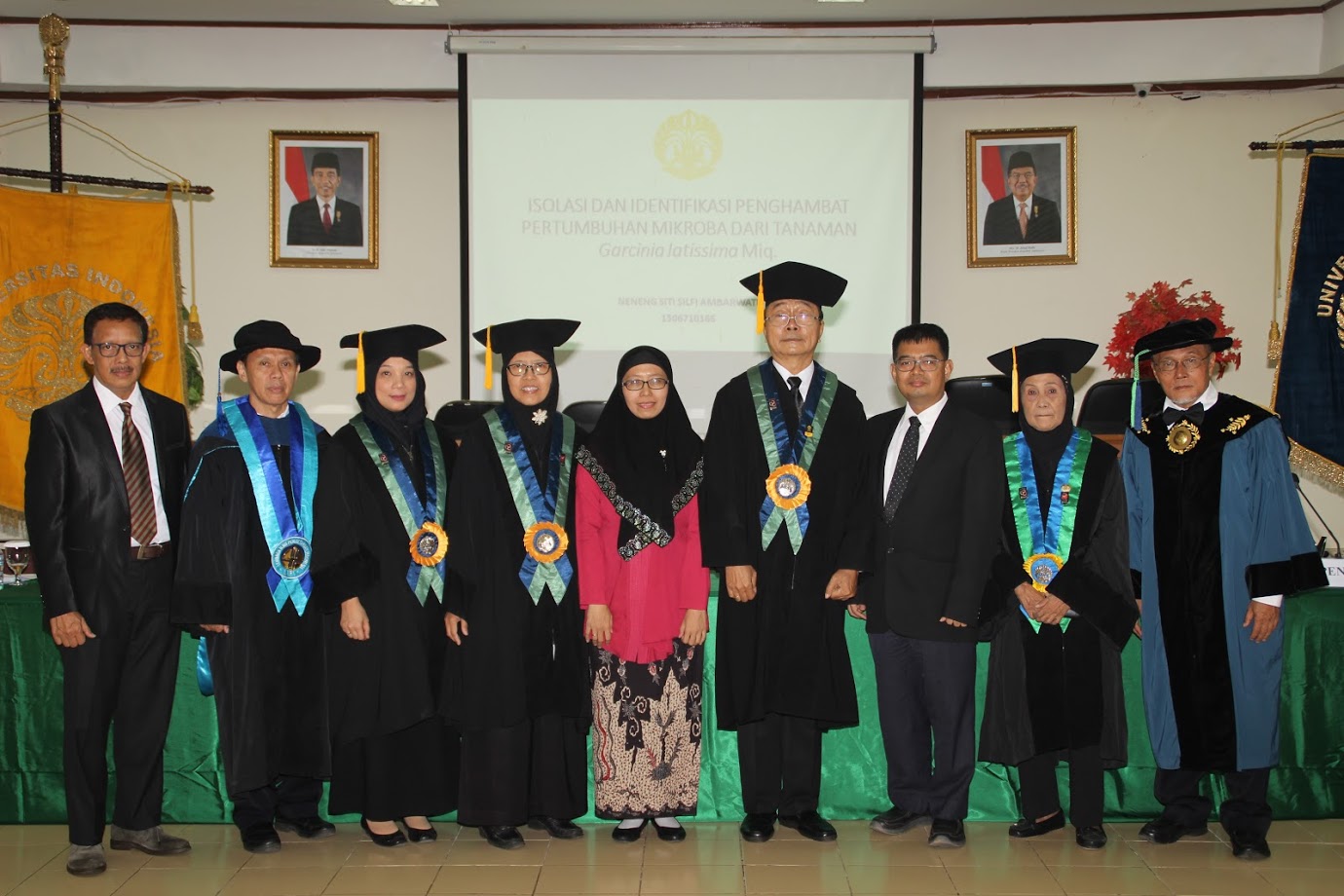
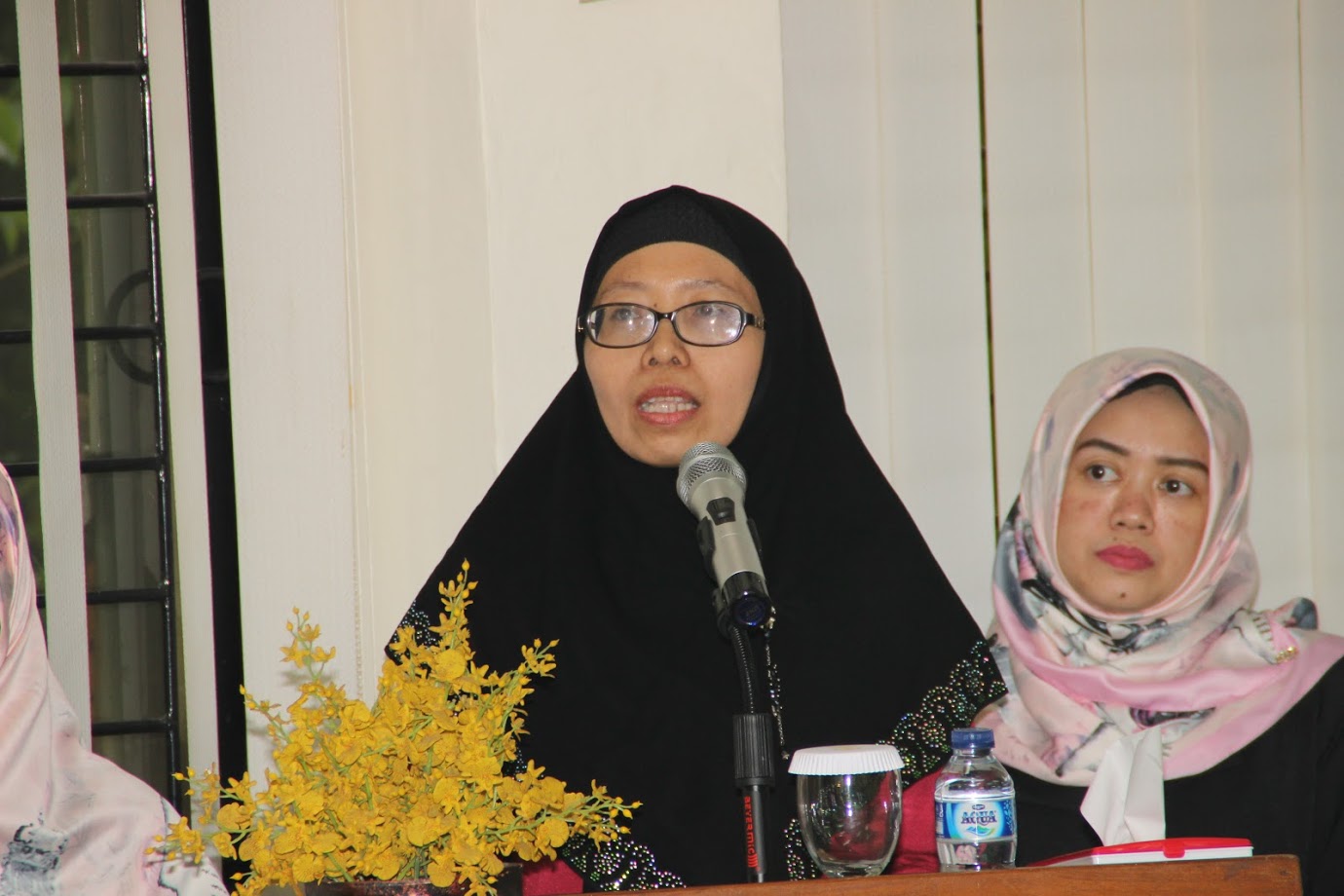
Berkaitan dengan hal tersebut, Doktor Farmasi UI (Dr. Neneng Siti Silfi Ambarwati) melakukan penelitian mengenai “Isolasi dan Identifikasi Senyawa Aktif Penghambat Pertumbuhan Mikroba dari Tanaman Garcinia latissima Miq.”. Tujuan dari penelitian ini yaitu untuk mendapatkan isolat senyawa aktif dari fraksi aktif sebagai antibakteri atau antifungi dan mendapatkan struktur senyawa aktif dari tanaman G. latissima Miq.
Bahan tanaman (kulit buah, kulit batang, dan daun) Garcinia latissima Miq. Masing-masing dimaserasi secara bertingkat dengan menggunakan tiga macam pelarut (n-heksana, etil asetat dan metanol) sehingga diperoleh sembilan ekstrak. Uji antimikroba 9 ekstrak ini dilakukan terhadap dua bakteri gram positif (Staphylococcus aureus dan Bacillus subtilis), dua bakteri gram negative (Pseudomonas aeruginosa dan Esherichia coli) dan dua jamur (Candida albicans dan Trichophyton mentagrophytes) dengan menggunakan uji zona hambat. Ekstrak yang memberikan zona hambat, dilakukan uji zona hambat kembali dengan menggunakan 2% ekstrak dalam DMSO. Ekstrak yang memberikan zona hambat pada konsentrasi 2% dilakukan uji konsentrasi hambat minimal (KHM) menggunakan metode dilusi dan kemudian difraksinasi menggunakan kromatografi kolom. Fraksi-fraksi yang diperoleh diuji zona hambat dan penetapan nilai KHM secara mikrodilusi.
Adapun manfaat yang diperoleh dari hasil penelitian yang dilakukan oleh Dr. Neneng Siti Silfi Ambarwati yang sekarang ini masih aktif juga sebagai dosen di Fakultas Teknik Universitas Negeri Jakarta yaitu memberikan nilai tambah pemanfaatan tanaman Garcinia latissima Miq. Menjadi salah satu obat herbal sebagai anti mikroba, memberikan informasi mengenai kandungan senyawa yang terdapat pada tanaman Garcinia latissima Miq., mengingat informasinya masih jarang ditemukan, serta menghasilkan senyawa aktif sebagai obat anti mikroba yang akan memberikan sumbangan dalam perkembangan ilmu pengetahuan.